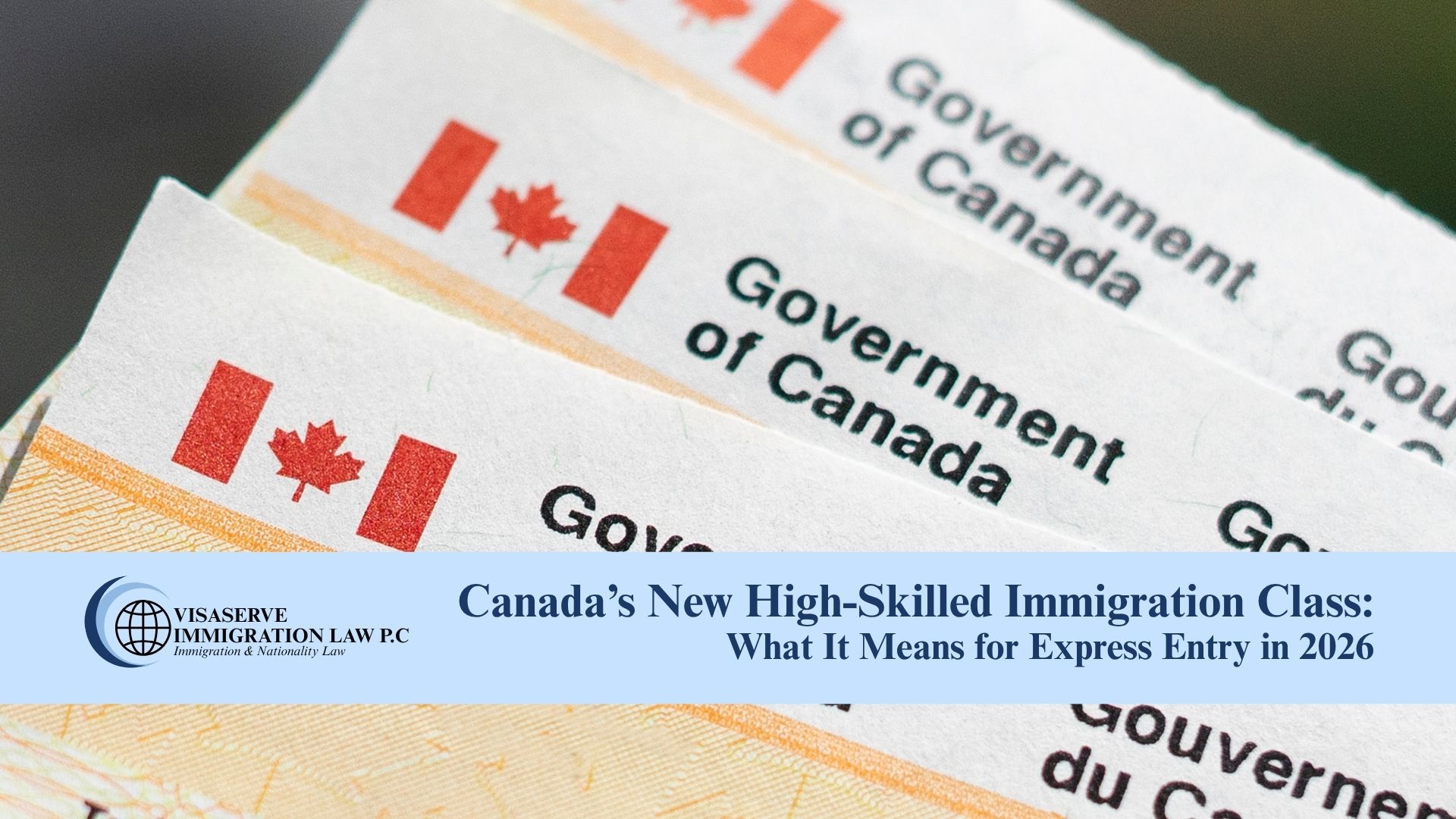
Canada is preparing for a significant shift in its economic immigration system. According to the latest update from Immigration, Refugees and Citizenship Canada, proposed amendments to the Immigration and Refugee Protection Regulations may fundamentally reshape how skilled workers qualify for permanent residence.
This development is part of IRCC’s 2026 Forward Regulatory Plan and signals a move toward simplifying and modernizing Canada’s high-skilled immigration pathways.
What Is Changing?
Currently, Canada’s Express Entry system manages three core federal immigration programs:
- Federal Skilled Worker Class (FSW)
- Canadian Experience Class (CEC)
- Federal Skilled Trades Class (FST)
These programs establish the baseline eligibility criteria for candidates entering the Express Entry pool.
Under the proposed regulatory changes, IRCC plans to:
- Introduce a new federal high-skilled immigration class
- Repeal the existing FSW, CEC, and FST programs
- Streamline eligibility requirements into a more unified system
This represents one of the most substantial structural changes to Express Entry since its launch in 2015.
Why Is Canada Making This Change?
The proposed reforms are aligned with Canada’s broader economic and labour market objectives under the Immigration and Refugee Protection Act.
IRCC has indicated that the new system aims to:
- Create a more flexible and responsive immigration framework
- Expand access to a broader and more diverse talent pool
- Simplify the application process for both applicants and employers
- Better align immigration selection with real-time labour market needs
For businesses across Canada, this could mean faster and more predictable access to skilled foreign workers.
What Could the New System Look Like?
While full details are expected following public consultations in Spring 2026, early signals suggest:
- A single, consolidated eligibility framework for high-skilled applicants
- Greater emphasis on skills, adaptability, and labour market demand
- Potential integration with category-based selection draws already used in Express Entry
- Simplified criteria that reduce confusion between overlapping program requirements
Candidates may no longer need to determine eligibility across multiple federal programs, which has historically been a source of complexity.
Impact on Express Entry Candidates
For foreign nationals and temporary residents currently planning their pathway to permanent residence, this proposed change raises important considerations:
1. Existing Applications
At this stage, there is no indication that current applications or profiles will be negatively impacted. However, transitional rules are expected once regulations are finalized.
2. Future Applicants
A streamlined system may:
- Lower administrative barriers to entry
- Make eligibility criteria easier to understand
- Potentially change how Comprehensive Ranking System (CRS) scores are interpreted or applied
3. Employers and Recruiters
Canadian employers may benefit from:
- Easier navigation of immigration pathways
- Access to a wider range of qualified candidates
- Reduced administrative complexity when supporting foreign hires
Timeline and Next Steps
IRCC has confirmed the following timeline:
- Spring 2026: Public consultations with stakeholders, employers, and applicants
- Post-consultation: Draft regulatory framework and implementation planning
- Future rollout: To be announced following legislative and regulatory approvals
Further updates will be published on official Government of Canada platforms as the proposal evolves.
Why This Matters Now
Although these changes are not yet in force, they signal a clear policy direction. Canada is moving toward a more unified, demand-driven immigration system designed to remain competitive in attracting global talent.
For individuals considering immigration to Canada, early planning and strategic guidance will be critical as the framework develops.
How Visaserve Can Help
At Visaserve Immigration Law P.C., we closely monitor regulatory changes issued by Immigration, Refugees and Citizenship Canada and provide tailored legal strategies based on the most current policies.
If you are:
- Planning to enter the Express Entry pool
- Transitioning from a temporary visa to permanent residence
- An employer seeking to hire foreign talent
Our team can help you navigate evolving requirements and position your application for success.