Artist Visas for the U.S. and Canada: Rules for Temporary Performers
Artists crossing the U.S.–Canada border do not follow one shared immigration process. The United States uses petition-based classifications such as P-1B, P-2 and P-3. Canada has no universal “artist visa”: a performer may be work-permit-exempt or may need a work permit. Which U.S. Visa Applies to an Artist or Performer? P-1B is for a performer […]
Moving to Canada From the U.S.: Immigration Options and Requirements
Interest in moving to Canada often rises during major U.S. political or economic events. However, U.S. citizens and residents do not have an automatic right to move, work or remain permanently in Canada. They must qualify under a Canadian immigration program and meet Canada’s admissibility requirements. Can a U.S. Citizen Simply Move to Canada? No. […]
Canada Immigration Processing Times 2026: Visitor Visa, PR, Sponsorship and Citizenship
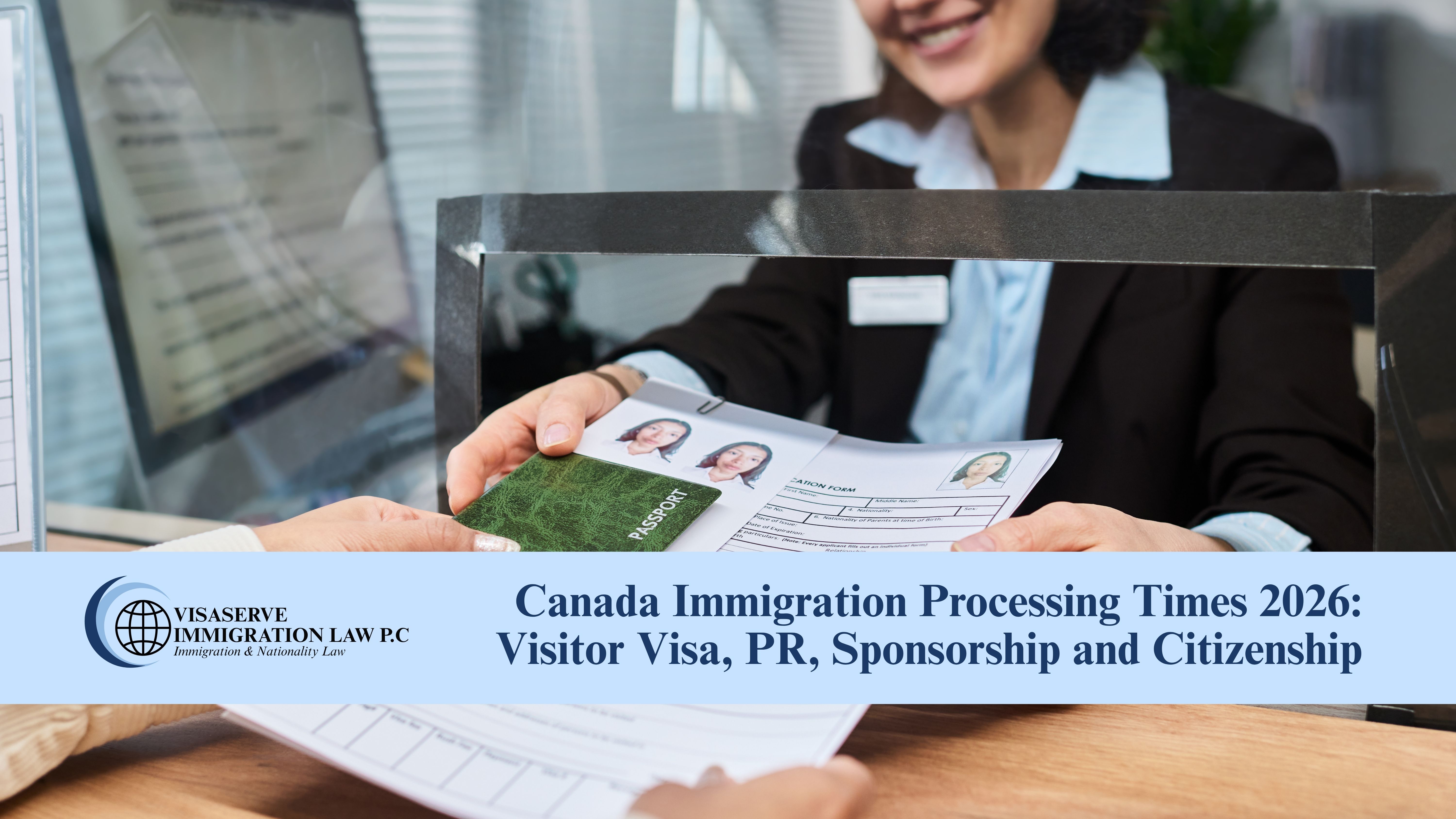
Canada immigration processing times can change quickly. An estimate may rise or fall as IRCC receives new applications. These figures are not deadlines or guarantees. However, they can help applicants plan travel, work and family decisions. Current IRCC Processing Times The following estimates apply to applications submitted now: Application Estimated Processing Time IRCC Update Date […]
Why Are Canada Visitor Visas Refused? Lessons From Recent 2026 Court Cases
A Canadian visitor visa refusal can feel confusing. Many applicants receive a short letter listing concerns about finances, travel purpose or home-country ties. However, the decision usually depends on one central question. Has the applicant shown that they will leave Canada after their authorized stay? Under section 179(b) of the Immigration and Refugee Protection Regulations, […]
Can Identity Fraud Make You Inadmissible to Canada? What You Need to Know
Yes. Identity fraud can make a foreign national inadmissible to Canada. However, the outcome depends on what happened. Canadian authorities will examine the conduct, conviction and immigration history. Identity fraud can create two separate problems: Criminal inadmissibility Immigration misrepresentation These issues have different legal consequences and remedies. What Is Identity Fraud Under Canadian Law? Section […]
Can Work Permit Holders Study in Canada Without a Study Permit? New 2026 Rules
Some foreign workers can now study in Canada without applying for a study permit. On September 9, 2026, Immigration, Refugees and Citizenship Canada announced a new temporary measure. It allows eligible work permit holders to study for up to six months. The policy took effect on September 4, 2026. It is scheduled to remain in […]
Canada Increased Study Permit Funds on September 1, 2026: New Requirements

Canada increased the funds that international students must show for a study permit. The new amounts apply to applications submitted on or after September 1, 2026. They apply outside Quebec. The required living-cost amount is separate from tuition and transportation costs. How Much Money Do You Need? IRCC requires students to prove they can support […]
UK Added to CPTPP: New Canadian Work Permit Options for Professionals

Canada has introduced new work permit options for eligible professionals from the United Kingdom. The Comprehensive and Progressive Agreement for Trans-Pacific Partnership now applies between Canada and the UK. The change took effect on September 1, 2026. Canada announced its ratification on July 3, 2026. However, the immigration provisions became available on the September effective […]
Can You Travel to Canada With a Criminal Record? Rules You Need to Know
Yes, some people can travel to Canada with a criminal record. However, they may need special permission before their trip. Canada can find a foreign national criminally inadmissible for both minor and serious offences. The outcome depends on several factors. These factors include the offence, sentence, Canadian equivalent and time passed. Here are eight important […]
Can a Sponsored Spouse Get an Open Work Permit While Waiting for PR?

A spouse or partner being sponsored for Canadian permanent residence may be able to apply for an open work permit while their application is being processed. This can allow the applicant to work for most employers in Canada, earn an income and gain Canadian work experience while waiting for a decision. However, the work permit […]