Canada continues to welcome millions of temporary residents every year, including tourists, family visitors, business travelers, students, and temporary foreign workers. However, obtaining a Canada Temporary Resident Visa (TRV) is not automatic. A significant number of applications are refused because applicants fail to provide sufficient evidence to satisfy immigration officers that they meet the legal requirements under the Immigration and Refugee Protection Act (IRPA).
Understanding who needs a TRV and how to properly prepare an application can significantly improve approval chances.
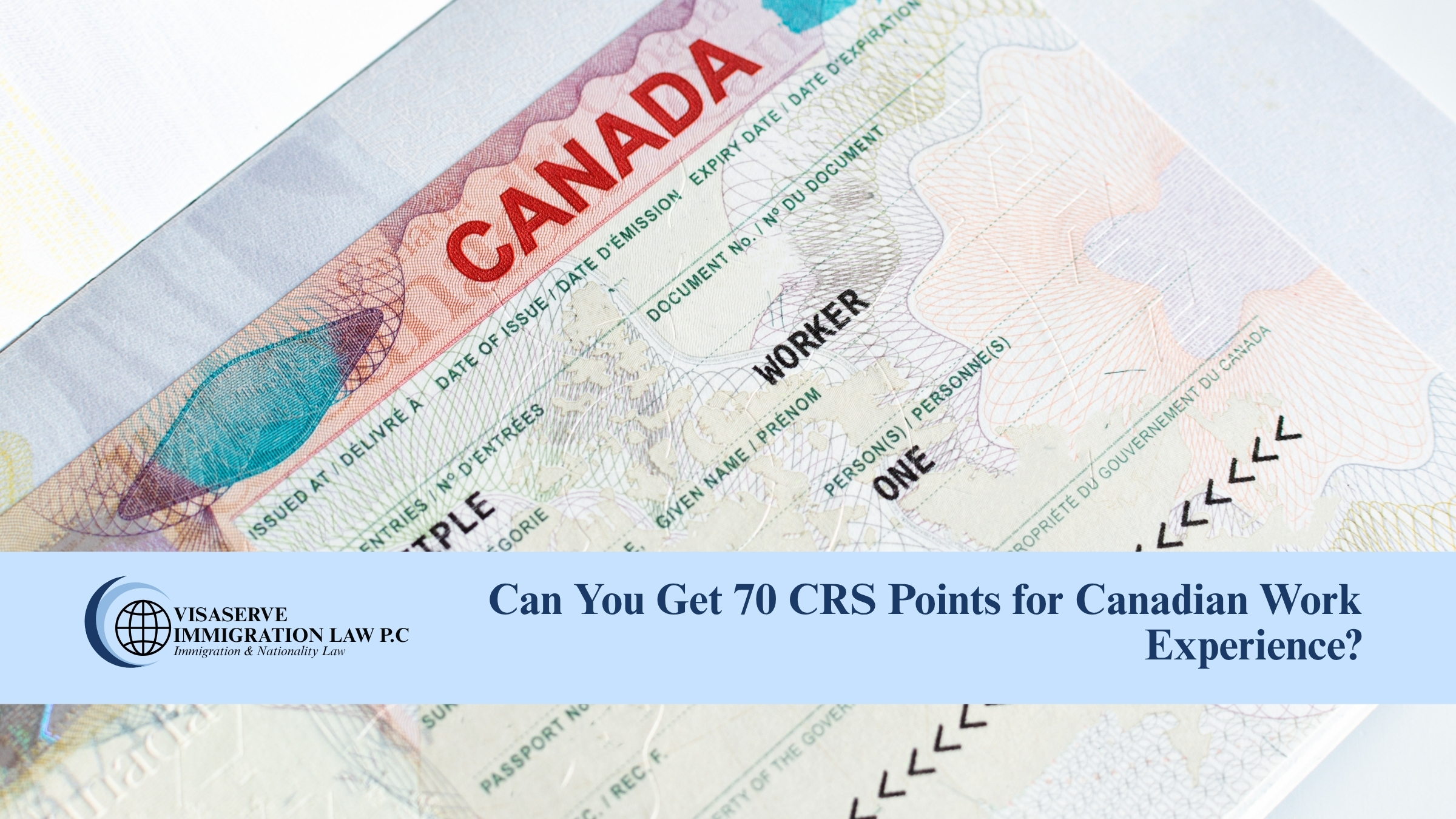
According to Immigration, Refugees and Citizenship Canada (IRCC), a Temporary Resident Visa is an official document placed in a passport that shows a foreign national has met the requirements to enter Canada temporarily.
What Is a Temporary Resident Visa (TRV)?
A Temporary Resident Visa allows eligible foreign nationals to travel to a Canadian port of entry to seek admission as a temporary resident. A TRV does not guarantee entry into Canada. Final admission decisions are made by border officers at the port of entry.
A TRV may be issued for:
- Tourism
- Family visits
- Business travel
- Short-term studies
- Temporary work
- Performing artists and entertainers
- Conferences and events
- Medical visits
Most applicants receive either:
- A single-entry visa, or
- A multiple-entry visa
IRCC officers assess whether the applicant will leave Canada at the end of their authorized stay.
Who Needs a Canada Temporary Resident Visa?
Foreign nationals from visa-required countries generally need a TRV before traveling to Canada.
Individuals who may require a TRV include:
- Visitors entering Canada for tourism
- Family members visiting relatives
- International students from visa-required countries
- Foreign workers entering Canada on work permits
- Artists, performers, musicians, and event participants
- Business visitors attending meetings or conferences
Some travelers may instead require an Electronic Travel Authorization (eTA), depending on their nationality and method of travel.
Applicants should verify their requirements directly through IRCC’s official TRV guidance.
Why Are TRV Applications Refused?
Many refusals occur because immigration officers are not satisfied that the applicant will comply with the conditions of temporary residence.
Common refusal reasons include:
1. Weak Financial Documentation
Applicants must demonstrate they can financially support themselves during their stay in Canada.
Officers may question applications where:
- Bank statements show sudden large deposits
- Income documentation is inconsistent
- Employment letters are vague
- Funds appear borrowed temporarily
- There is insufficient proof of ongoing financial stability
Strong financial evidence should include:
- Several months of bank statements
- Tax returns
- Employment pay records
- Business ownership documents
- Investment records where applicable
The documentation should clearly explain the applicant’s financial circumstances rather than simply providing isolated statements.
2. Insufficient Ties to the Home Country
One of the most important factors in a TRV assessment is whether the applicant has compelling reasons to return home.
Officers may evaluate:
- Employment stability
- Business ownership
- Property ownership
- Family obligations
- Educational commitments
- Long-term financial ties
Applications are often refused when there is little evidence connecting the applicant to their country of residence.
Applicants should provide organized documentation that demonstrates long-term personal and economic establishment outside Canada.
3. Unclear Purpose of Travel
A poorly explained travel purpose can create concerns about the applicant’s intentions.
For example:
- Visiting artists without event contracts
- Tourists without itineraries
- Business travelers lacking invitation letters
- Family visitors without proof of relationships
A strong application should include:
- A detailed travel explanation letter
- Hotel bookings if applicable
- Invitation letters
- Event confirmations
- Conference registrations
- Return travel plans
- Supporting schedules and timelines
The officer should immediately understand:
- Why the applicant is traveling
- How long they will stay
- Who they will meet
- How the visit will be funded
4. Incomplete or Disorganized Documentation
One of the most avoidable mistakes is submitting incomplete or poorly organized files.
IRCC officers process large volumes of applications. If documents are difficult to interpret, unclear, or contradictory, it may negatively affect the outcome.
Common issues include:
- Missing translations
- Expired passports
- Unclear travel history
- Missing supporting evidence
- Incorrect forms
- Contradictory information across documents
Well-structured applications improve readability and credibility.
5. Previous Immigration Issues
Prior immigration history may affect future TRV applications.
Officers may review:
- Previous visa refusals
- Overstays in Canada or other countries
- Unauthorized work or study
- Misrepresentation findings
- Removal orders
- Previous non-compliance with immigration conditions
Applicants with prior refusals should carefully address concerns raised in earlier refusal letters before reapplying.
What Should Be Included in a Strong TRV Application?
A successful Canada Temporary Resident Visa application is not simply about submitting forms. It is about presenting a complete narrative supported by evidence.
A strong application often includes:
Identity Documents
- Valid passport
- Civil status documents
- Travel history documentation
Financial Evidence
- Bank statements
- Employment records
- Tax filings
- Proof of assets
Purpose of Travel Documentation
- Invitation letters
- Event confirmations
- Business correspondence
- Travel itinerary
Home Country Ties
- Employment confirmation
- Business ownership records
- Property documents
- Family obligations
Explanation Letter
A properly drafted submission letter can help connect the documentation and explain:
- The purpose of travel
- Temporary intent
- Financial ability
- Compliance history
Special Considerations for Performers and Artists
Visaserve has recently observed increased TRV scrutiny involving performers, musicians, and visiting artists traveling to Canada for events and productions.
Applications involving entertainment or performance work often require additional clarity regarding:
- Nature of performances
- Compensation arrangements
- Event schedules
- Immigration classification
- Sponsorship details
- Cross-border contractual relationships
Incomplete explanations in these cases may trigger concerns about unauthorized work or unclear travel intent.
Can You Reapply After a Refusal?
Yes. A refusal does not permanently prevent someone from obtaining a TRV.
However, reapplying without addressing the original concerns may lead to repeated refusals.
Applicants should carefully review:
- The refusal reasons
- Gaps in supporting documentation
- Inconsistencies in the original application
- Changes in circumstances
In some situations, obtaining legal guidance before reapplying may help strengthen the application strategy.
Final Thoughts
Canada Temporary Resident Visa applications are heavily document-driven. Even genuine travelers can face refusals if the application does not clearly demonstrate financial stability, temporary intent, and strong ties outside Canada.
A properly prepared application should be organized, credible, and easy for the immigration officer to understand.
As IRCC continues to apply increased scrutiny to temporary resident applications in 2026, applicants should focus not only on submitting documents, but also on presenting a clear and complete story supported by evidence.
Reach out to our team at info@visaserve.ca or call 905-203-2266 to speak with an experienced Canadian immigration lawyer today.